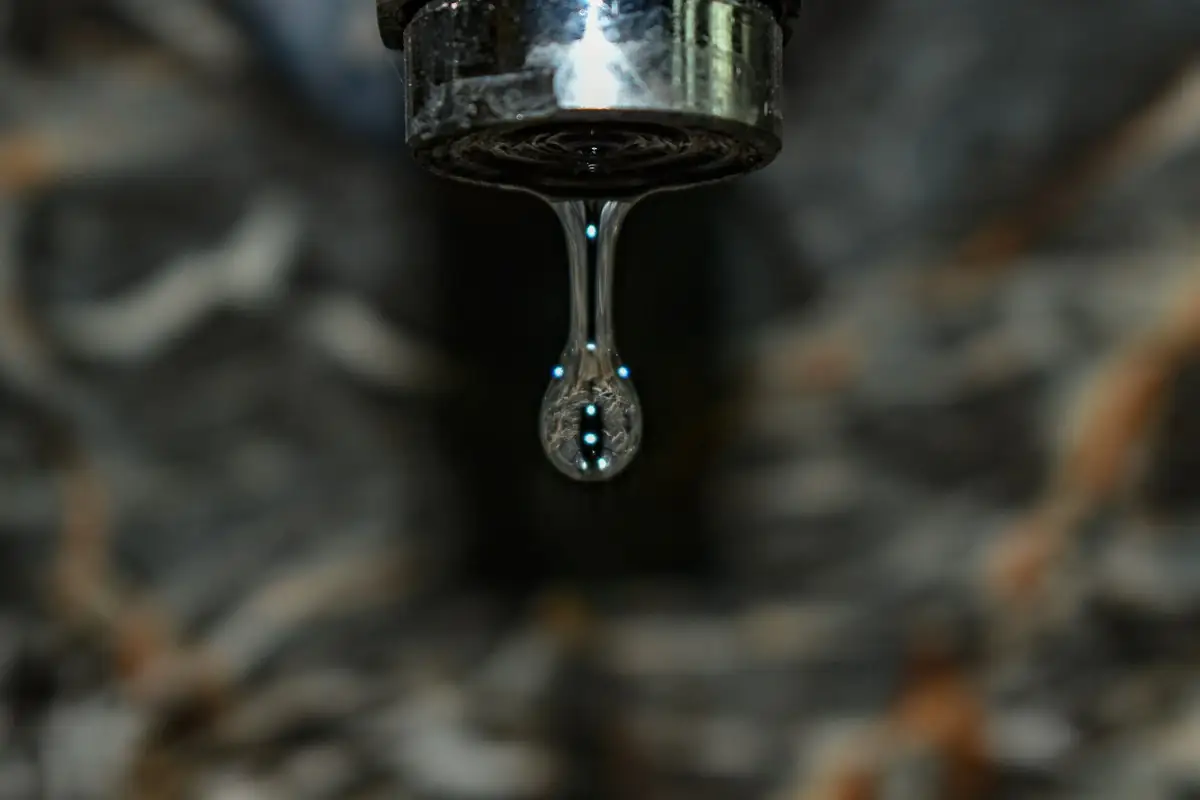
Signs of a hidden drip
- A water bill that creeps up while your habits stay the same.
- The meter's small red or blue dial turning with every tap closed.
- Paint bubbling, drywall going soft, or baseboards swelling on one wall.
- A warm patch on a basement slab, which can mean a hot pipe leaking below it.
- Mould spots inside a sink cabinet or on the back of a toilet tank.
- The sound of running water at night when the house is quiet.
Any one of these is worth a call. Two together almost always mean a pipe or fitting is seeping somewhere you cannot see.
How we find it
We start with the meter test, because it shows us whether the loss is on the supply side or simply a fixture that drains away. Then we narrow it down room by room: isolating branches, checking moisture with a meter, using a thermal camera on hot lines, and listening for hiss through the wall. Only when we are confident about the spot do we open drywall, and we cut neat square openings that a drywaller can patch in an afternoon.
Repair versus replace
One pinhole in otherwise healthy copper gets a clean repair section and new fittings. When we open a wall and find green crust, thin spots and a second weep a few inches away, replacing that run with PEX or new copper is the better money. We will show you the pipe we take out so you can judge it yourself, and we pressure-test every repair before the wall is closed.
Signs you need this in your house
- A water meter dial creeping with every tap closed
- Brown rings spreading on drywall below a bathroom
- Warm patches in a slab floor
- Musty smell in one cabinet only
Questions people ask us
Will you fix the drywall too?
We cut tidy openings and leave them ready for patching. Finishing drywall and paint is a separate trade, and we can suggest what to ask for.
Is a slab leak common here?
It happens, mostly on hot lines run under basement floors. Rerouting the line overhead is often simpler than breaking the slab.