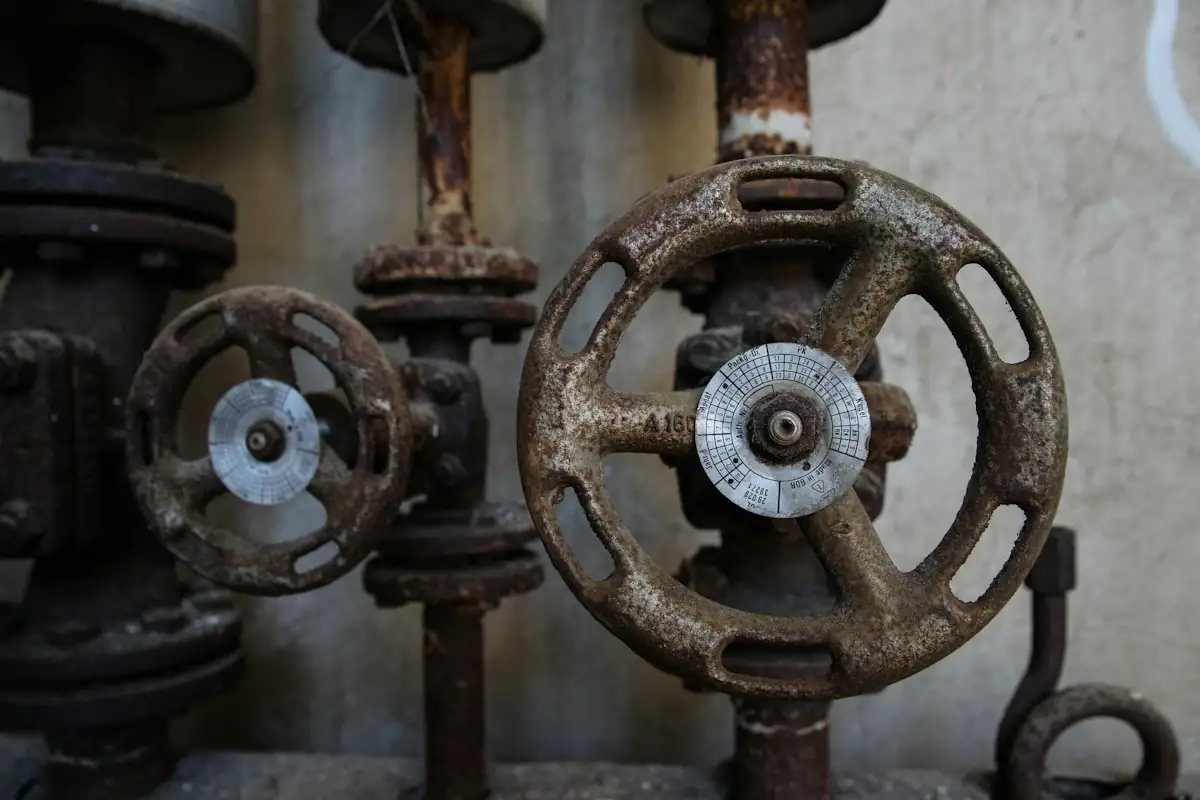
How a backwater valve works
The valve sits in the main drain line under the basement floor. Normally a flap rests open and everything flows out to the street. If sewage starts moving the other way, the flap floats up and seals. While it is closed, you should limit water use in the house, because nothing can leave until the street side drops again. The device is simple, but placement matters: it must protect the floor drain and basement fixtures without blocking venting.
Permits
Installing a backwater valve means cutting into the main drain, and that normally calls for a permit and an inspector's visit in Newmarket. Some York Region municipalities have offered subsidies for backwater valves and downspout disconnection in the past; check the Town's current programs before booking, because funding and terms change. We help with the paperwork and take photos at each stage.
Maintenance
- Every spring and fall, pop the lid off and clear anything sitting on the flap.
- Make certain the flap moves freely and the seal is clean.
- Never block access with flooring or storage.
- Call us if you see standing water in the valve housing.
- Break the slab and expose the main.
- Cut in the valve level and in line.
- Inspection, then backfill and patch the floor with an access lid.
Signs you need this in your house
- Sewer backed up into the floor drain before
- Finished basement below street level
- Insurer asked about backflow protection
- Renovation opening the floor anyway
Questions people ask us
Will it stop all basement flooding?
It stops sewer backup through drains. It does not stop groundwater through walls; that is a sump pump's job.
How long is installation?
Usually one day, plus the inspection visit.